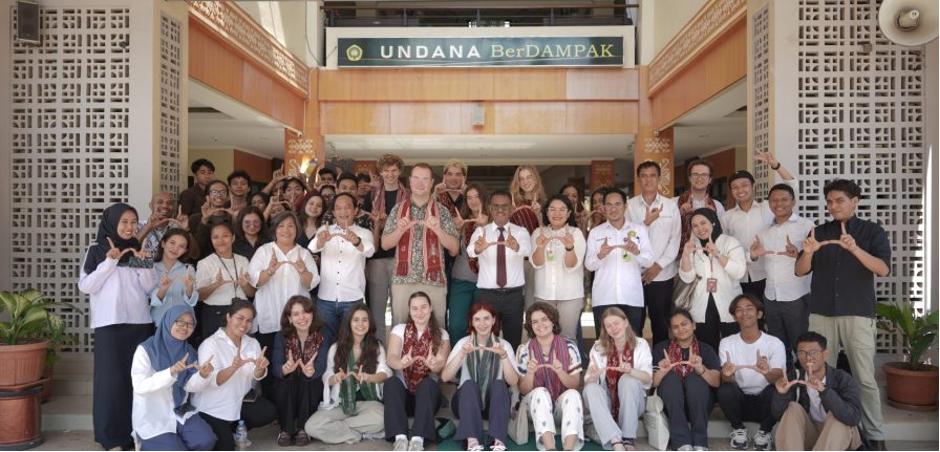
As part of its commitment to strengthening international collaboration and global learning opportunities, Universitas Nusa Cendana (UNC) is partnering with Maastricht University in the implementation of the 2025 Field Study Program under the theme ‘Collaborative Learning on Rural Area Development and Cultural Exchange.’
The program brings together 12 students from the Global Studies Programme at Maastricht University and 12 students from Universitas Nusa Cendana representing the Faculty of Law, the Faculty of Economics and Business, and the Faculty of Social and Political Sciences. Throughout the program, participants will be guided by academic supervisors from both institutions and supported by a student-led supporting team.
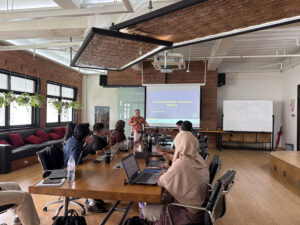
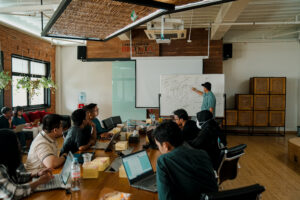
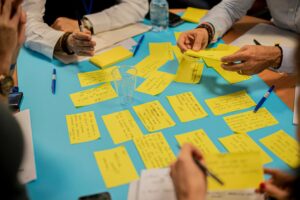
The Field Study is scheduled to take place from 2–28 November 2025 and consists of three main phases. During the first two weeks, participants will engage in preparatory sessions and training focused on rural development concepts, participatory approaches, and field observation methodologies. The second phase will involve field-based activities in Sanenu Hamlet, Bokong Village, Taebenu District, Kupang Regency, where students will conduct social observations, participate in cultural exchange activities, and engage in discussions with local communities. The program will conclude with a final presentation session, during which participants will share their findings and recommendations with academic supervisors and program organizers.
This initiative reflects UNC’s broader efforts to expand its network of international collaboration and strengthen partnerships across institutions. Through programs such as this, UNC continues to foster meaningful exchanges of knowledge, perspectives, and experiences while creating opportunities for future cooperation in education, research, and community engagement. Beyond enhancing students’ academic and intercultural competencies, the collaboration also contributes to building stronger connections between universities and communities in addressing contemporary development challenges.